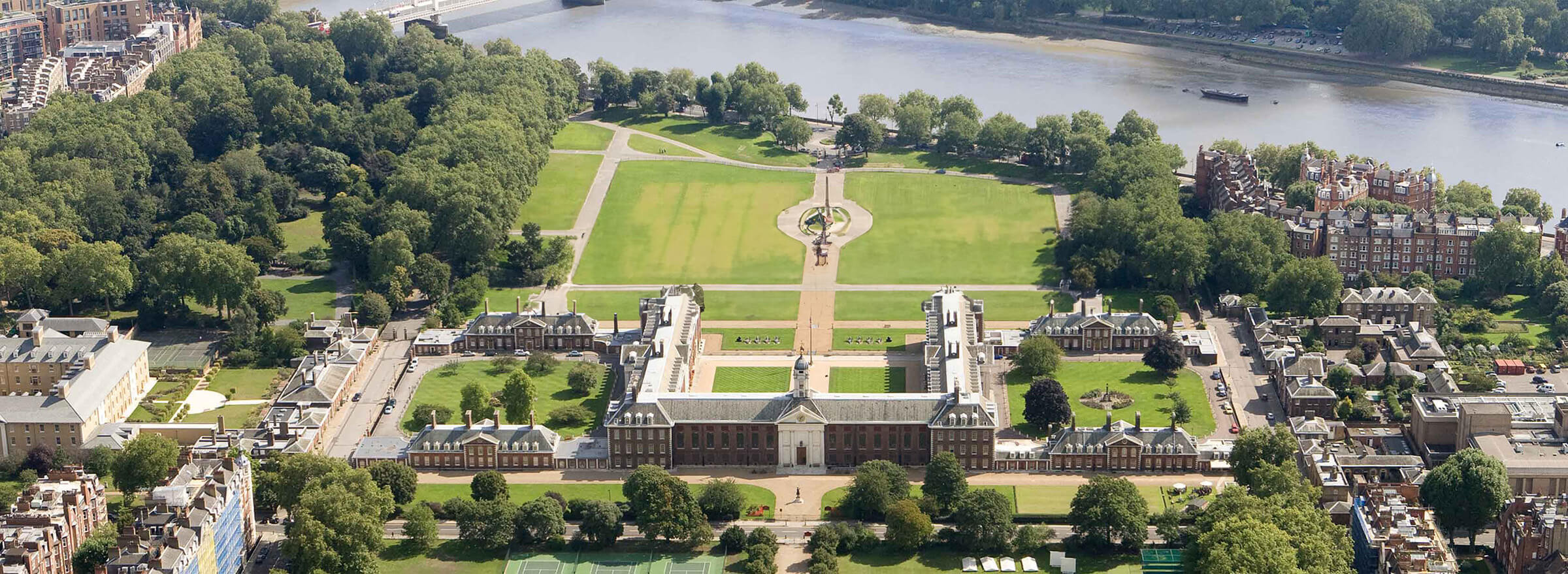

Like communities across the country, the Royal Hospital is preparing to celebrate King Charles III’s coronation. Not only will the Chelsea Pensioners be representing veterans publicly, but they also will be marking this momentous event here in their historic home.

The King’s Coronation holds a special significance for the Royal Hospital. Each and every Chelsea Pensioner swore allegiance to The Queen and that pledge of loyalty continues to her successor. And the Royal Hospital itself would not be here today without our current King’s namesake, King Charles II.

On 4 February 330 years ago, the Royal Hospital opened its doors to the very first Chelsea Pensioners. Today, we are still providing a home for the Nation’s Army veterans in the site Sir Christopher Wren designed, according to King Charles II’s original vision.

Thanks to a development grant of £135,726 awarded by the National Lottery Heritage Fund towards a £7.2 million project, the home of the Chelsea Pensioners will be creating a new Visitor Centre to welcome more of the public to its historic site.

The monuments in the old Burial Ground record Chelsea Pensioners who took part in famous battles, former Governors and other members of staff and their families – and famous figures from the Royal Hospital’s history.

The last Sunday in June was a significant date for the Royal Hospital. Almost every Sunday, between April and November the Governor’s Parade – reviewed by the Governor, the Quartermaster or the Royal Hospital’s doctor - is conducted by the duty officer appointed for the week. For the first time the duty officer responsible was a woman...

Colin was 20 years old when he was deployed –the youngest in the observation post Party he served in. He still suffers from the frostbite he got while cut off by the Chinese.

Gerry Farmer, 1951 Royal Fusiliers, lost his friend Cpl Derby in the conflict. He was left with shrapnel in his spine and lifelong claustrophobia, after being trapped in a Jeep at the bottom of a river while trying to escape Chinese mortars.

Arthur Bisson, Royal Military Police, was demobbed in 1947, then called up again to go to Korea in 1950. He served there for eight months in total.

Alfred Mason, Durham Light Infantry (28 Commonwealth Brigade) remembers the conditions they were faced with during the conflict.