
The gruesome fate of a murderous Chelsea Pensioner
28th October 2019
On this day in 1801 a Chelsea Pensioner was condemned to death for murder. But that was just the start of a truly macabre tale.
When current Chelsea Pensioner Ray Pearson answered a request for Chelsea Pensioners to sit for a painting class at the Royal Academy of Arts, he came across a grisly exhibit and uncovered a horrific tale that began in the Royal Hospital 218 years ago.
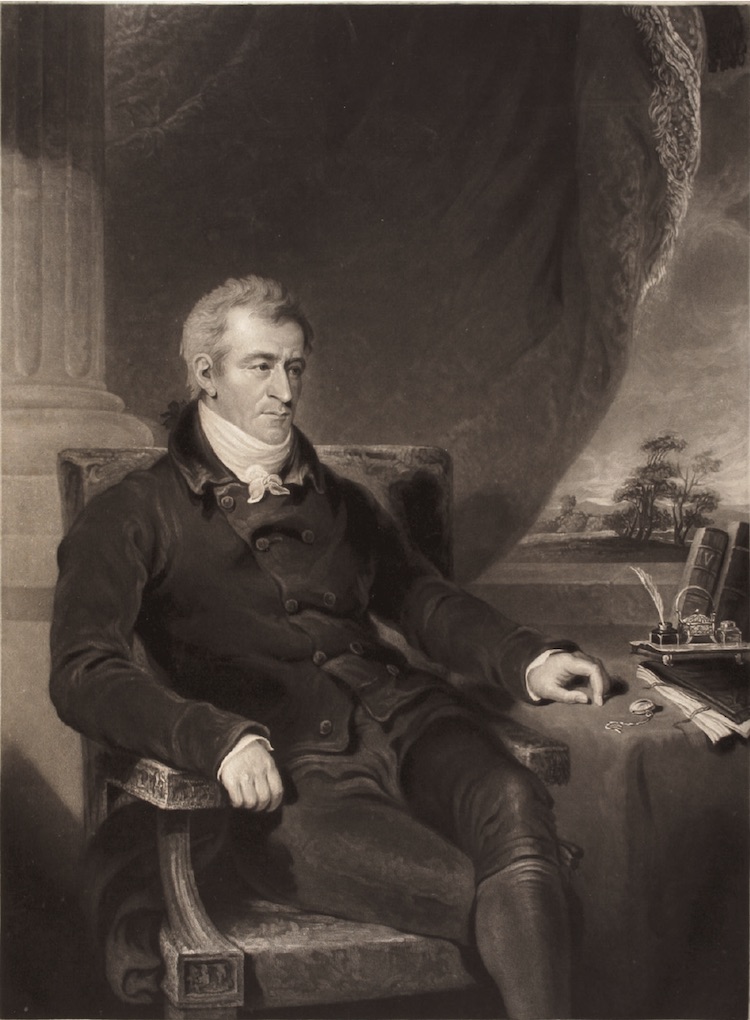
“I saw the blood and cried out ‘Murder!’”
James Legg was tried for murder at the Old Bailey, on 28 October, just before Halloween. At the trial, John Forster, a fellow Captain and Chelsea Pensioner, reported how he discovered the crime:
“As I was coming downstairs I heard a pistol discharged; I then went into the room, and saw the dead man laying on his back alongside of his bed, and saw the blood running through his shirt; I stood in amaze, and did not know what to say; the prisoner was then in his own bedchamber, but he came out of it, and said, ‘I have done it’.”

“The prisoner then, after my husband had thrown the pistol away, rushed up immediately, and fired at him, as he saw him through the glass door. When he had done so, he looked at me, and said, ‘I have done it’; I saw the blood coming out of his breast, and I cried out, ‘Murder’. He fell directly; and expired; he endeavoured to call my name, but could not.”
“Guilty!”
The motivation for the crime was unclear, although testimony from Joseph Ryland, a tobacconist at the Royal Hospital, suggested he was mentally ill and a nurse in the Old Infirmary also observed in Legg “a lowness, a melancholy and deranged state”:
Legg, however, claimed he’d suffered “repeated insults” from Lamb and that “had he done as a soldier should do” and taken up the challenge of a duel, the murder wouldn’t have happened. He went on to say:
“He was a tyrannical tempered man, and not easy to deal with; from time to time he aggravated me so, and harassed my life so much, that I was driven to silence or moderate him.”
Despite Legg’s advanced age and defence of insanity, he was found guilty of murder and condemned to death.
“I mind this no more than I would entering the field of action”
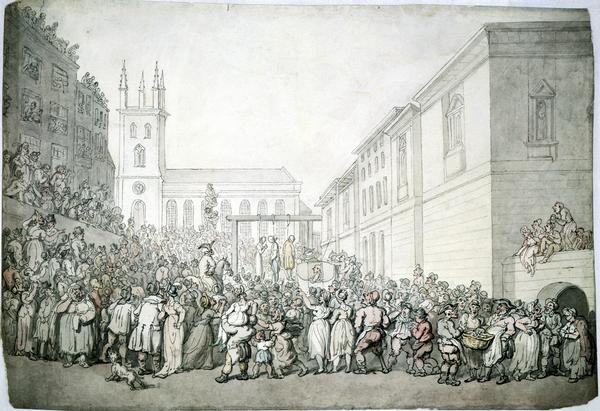
“When he was about to ascend the scaffold, he said, ‘I mind this no more than I would entering the field of action’. He afterwards shook hands with all around him and turning to his companion, who was weeping bitterly, said ‘Be a man and die with spirit’… Before they were turned off, Legg looked around, bowed to the populace, smiled and appeared quite unconcerned.”
Casting the cadaver
After Legg was hanged, Dr Carpue and the artists prepared to discover the exact effects of crucifixion on the human body. The surgeon recorded how he was taken to a temporary building where a cross was provided:
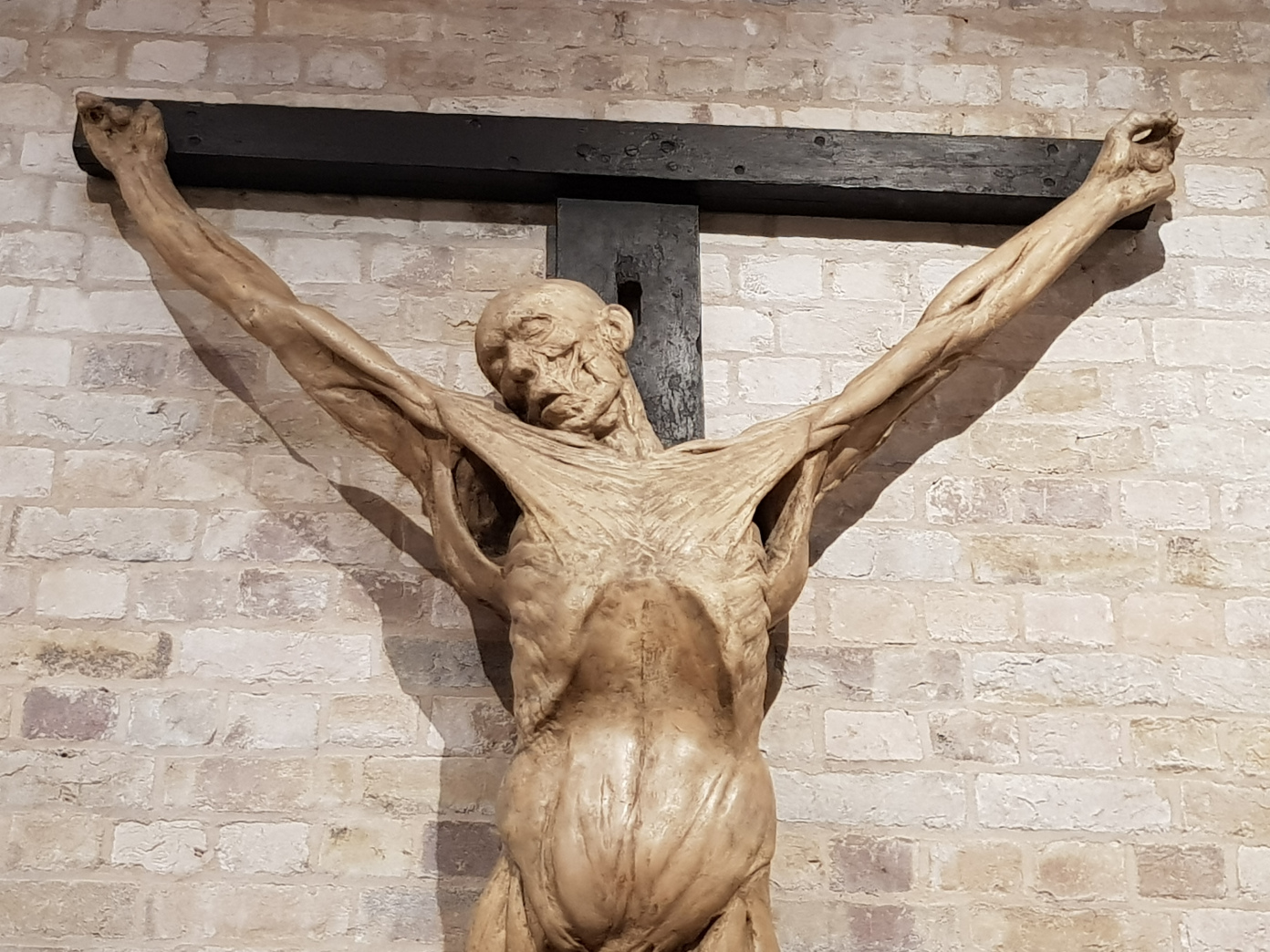
“The subject was nailed on the cross, the cross suspended… the body, being warm, fell into the position that a dead body must fall into. When cool a cast was made… and when the mob was dispersed it was removed to my theatre.”
Legg’s final resting place
The two casts attracted a great deal of interest and were displayed in Thomas Banks’s London studio for the crowds to view, before being moved to the Royal Academy for the edification of students and academics.
Over the following years, the two casts were displayed in various places – from a museum to a medical school. The first cast has not been traced, but the écorché finally made its way back to the Royal Academy and narrowly missed being hit by a zeppelin bomb in 1917. Today, it still hangs in the Royal Academy’s life drawing room.
A record of Legg’s body remains, but do the spirits of Legg and Lamb still haunt the Royal Hospital? We will be sharing some Royal Hospital Halloween ghost stories soon…